I’m so excited to share some of the work my students have been doing so far this semester.
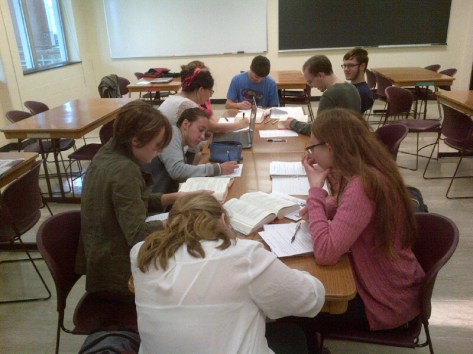
I teach a class called “Building Your Author Platform.” The focus is to help our Professional Writing students who want to write books or in some way work with books build that platform so needed in the publishing world. I designed the class a few years ago after I studied under Professor Cathy Day at Ball State University in a class that focused on literary citizenship.
Much of the writing world is online—and as my students become a professional writers and/or prepare to be professionals in the publishing world, they need to be in that online community. In my class, I try to help them understand what it means to join the writing world “out there” and professionalize themselves in their writing careers.
I teach them about becoming good literary citizens and being ready to enter the literary world upon graduation. They learn how to use social media strategically to build networks with the people they need to know, to add to the conversations going on in their field of interest or writing genre, and to understand what to say and the best avenues to say it.
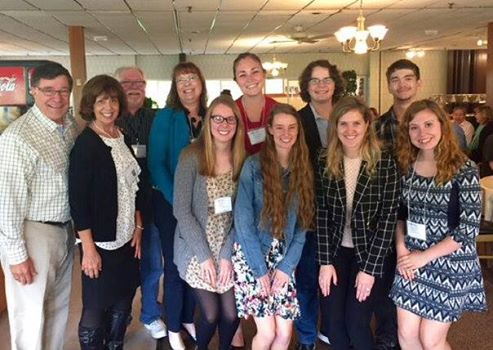
They spend the first part of the semester figuring out who they are and what they’re passionate about. They build a personal website centered around that passion. They look for other websites and blogs by people they admire–other writers or publishing professionals. They join Twitter or learn to use Twitter more strategically by building their tribe. They write “charming notes” (explained further here).
They each reported on different social media platforms and how they might use them to expand their tribes (Facebook pages, Reddit, Pinterest, Instagram, Snapchat, Goodreads), and we talked about where each of them might best need to “hang out” depending on where their tribe members are. We played with newsletter programs and created sample newsletters.
And every year I learn something new from them. This time around, since I do have a book coming out next summer, I realized that I need to do some polishing up of my social media presence. I learned from a student about Goodreads author pages–so I went in and built one. I’m also working on creating a newsletter. (Stay tuned!)
Here’s what my students have been up to:
(1) My student Jessie is a constant learner–someone who might suddenly have a question and can spend several hours researching and learning about something new. She decided to call her website Pioneer Curiosity, and there you will enjoy following along with her to learn about the next new thing.
(2) Taylor wants to be an editor (be still my heart), so she has created a website dedicated to the things she’s learning, the magic of words and great books, and the work she is ready to do for you! Check out Taylor Editing for her writing about this love of words–as well as her pricing for freelance work!
(3) Laura can write just about anything, but she loves writing about local people and things that get her out talking to someone interesting or visiting something amazing. Local is anywhere that you are, so she writes about Exploring Local and finding the fascinating things in your own backyard!
(4) Ari’s special interests include world-building and languages. She’s a fantasy and science fiction writer, a world-builder, and a conlanger (a person who constructs original languages). So over at The World-Maker’s House, she’s talking about those worlds that live in the minds of writers, worlds they’re trying to get on the page for their readers.
(5) Becca is graduating soon (as in a few weeks), and she has discovered a passion for helping young women with the pesky details of “adulting.” Tackling issues like budgeting money or polishing a resume or handling stress, her Extraordinary Young Women site will be helpful for any extraordinary young woman about to embark on the adult world.
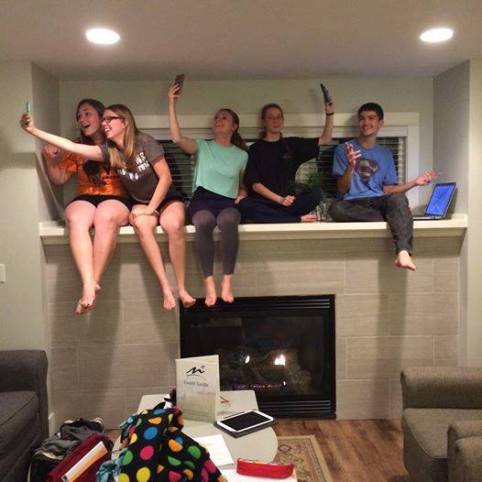
(6) Chrysa has already been around the block a few times–she came into class with an active blog and strong social media presence (oh yeah, and a couple of completed book manuscripts that she has pitched at writer’s conferences). Her delightful blog, Chrysa’s Corner, includes book reviews and advice on munchies to eat when reading and details of her journey as she tries to get her books published.
(7) Alycia also came into the class with a blog already up and running. Over at Just Be Lovely, Alycia talks about the things that happen in her world and offers to bring you along on her journey. You’ll find thoughtful, heart-breaking, and delightful posts on many different topics.
(8) Marshall, our one lone male in the class, is a gamer and a writer of speculative fiction with a “slight lean toward the darker things” as it says on his Twitter profile. This is a totally foreign world to me, but Marshall has given me new appreciation for the story aspect of gaming. Find out more at Stories from Dice.
I’m always amazed at how creative my students are. This talented group of men and women will soon be unleashed upon the world.
Look out.
Want to sign up to receive my email newsletter? Click here!

 Reading: A Life in Books, Lynne Sharon Schwartz muses about why we are willing to spend hours of our lives with tales others have spun.
 I appreciate that Sale paid her dues—working her way up through the levels of editing as she moved to various publishing companies. Beginning as a secretary at Knopf, she moved on to Lippincott in 1959 where she was an editorial assistant, then moved up to assistant editor. In 1963, she moved over to Macmillan as associate editor. After living out of the country briefly, she did freelance work upon her return—working for publishing companies, literary agents, and authors. In 1977, she was named senior editor at E. P. Dutton, and then joined Putnam where she was vice president and senior executive editor.
 Stein on Writing:

 The Editor’s Companion: An Indispensable Guide to Editing Books, Magazines, Online Publications, and More.
 The Forest for the Trees: An Editor’s Advice to Writers
 On Writing Well: The Classic Guide to Writing Nonfiction
 Tools: Photoshop” and “Digital Tools: InDesign.” This makes them quadruple threats for any job in publishing because they know what it means to work with the words, but they also know what goes on in the design and typesetting phase where the books are created from the manuscript.
 missed in the copyediting phase or showed up in typesetting. They first do a visual check of all the pages — looking that the margins are even, that the folios and running heads are placed correctly, that everything looks right. Only then do they go back and begin to read every letter on every page.
 Proofreaders need to enjoy the hunt – searching for and correcting errors. It takes a special “eye” to do this, one that can be trained with practice. (I recall many years ago when I was doing freelance proofreading on galleys, the editor at the publishing house would often say, “I can’t believe you found those errors!” I took this as a compliment.)

 I learned about Ursula Nordstrom by reading a book of her letters:
 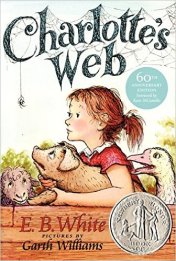 While I read Charlotte’s Web and Stuart Little and Where the Wild Things Are to my children, it never occurred to me that somewhere along the line an author had to get an editor to understand that—yes—a talking spider is a really great idea! A spider! And a kid spying on the neighbors and writing down everything they do—also a great idea!
