I was asked recently about what God has taught me through my writing career. While I do admit to enjoying writing, really most of my learning has been through my editing career. In both cases, however, the key lesson has been humility.
On the one hand, writers need humility to handle the (often many) edits of our work, and (often) outright rejection. Editors also require humility because we labor in the background. We don’t get credit for the work; that remains with the author, as it should. But those books became what they did because of the hard work of the editor with the author. That’s why I’ve enjoyed celebrating unsung editorial heroes on this blog; folks such as Maxwell Perkins, Faith Sale, and Tay Hohoff, among others.
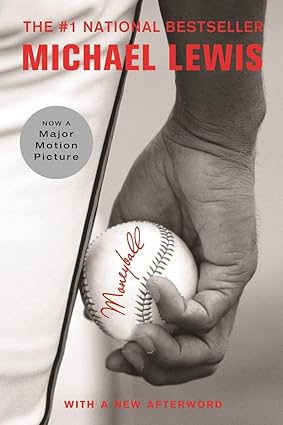
This past month, we lost yet another legendary editor, Starling Lawrence, who had a 55-year editorial career at W. W. Norton. I have to admit, of course, I’d never heard of him, but I’ve certainly heard of books he edited, including The Perfect Storm by Sebastian Junger, and Moneyball and The Blind Side by Michael Lewis (all three of which were books before they became movies).


When he started at Norton in 1969, Lawrence had the unenviable job of “reader,” sifting through the “slush pile,” the name for the pile of unsolicited manuscripts that came into the offices and were dropped somewhere for someone to eventually take the time to read. He said that this job taught him “an important lesson about patience and paying attention to the job, no matter what it is.” Publisher’s Weekly noted that, “As he panned for gold among the submissions, he trained ‘a voice that has endless patience for what does interest him,’ as Lewis put it.”
The W.W. Norton website wrote this tribute: “During his more than five decades at Norton, Lawrence had an unmatched impact on the trade list, shaping its character with culturally important books that sold millions of copies. Lawrence discovered future bestsellers in unlikely places: the slush pile of unsolicited manuscripts, the dusty top shelf of an agent’s bookcase, and in proposals rejected by the rest of the industry. As he once noted, ‘It is remarkable in hindsight that for two of the most important books I ever acquired, Sebastian Junger’s The Perfect Storm and Michael Lewis’s Liar’s Poker, there were no other offers on the table.’”
With the latter author, Michael Lewis, Lawrence built a strong relationship that led to 17 books, including the above-mentioned Moneyball and The Blind Side. Lewis wrote of Lawrence, “When I sit down to write, the only voice I hear in my head is Star’s” (W.W. Norton website).
That’s a powerful editor/author relationship!
Across his five decades at Norton, Lawrence championed and edited “scores of era-defining books” (ShelfAwareness). “‘It is impossible to overstate the effect Star Lawrence has had on Norton,’ said Julia Reidhead, chairman and president. ‘His taste was as confident and true as his spirit, and he transformed our list with some of the greatest writers of our time'” (W.W. Norton website).
That’s an amazing legacy. While he did write a few of his own books, he spent most of his career in the shadows, behind the scenes, relegated to the Acknowledgments page (if at all) of the many books for which he as the best reader, the shaper, the author encourager.
That’s what I’m teaching my students in Editing class right now. If they want this career, it will be extremely rewarding but will not bring them fame or fortune. They must do it for the love of the words and the love of good stories.

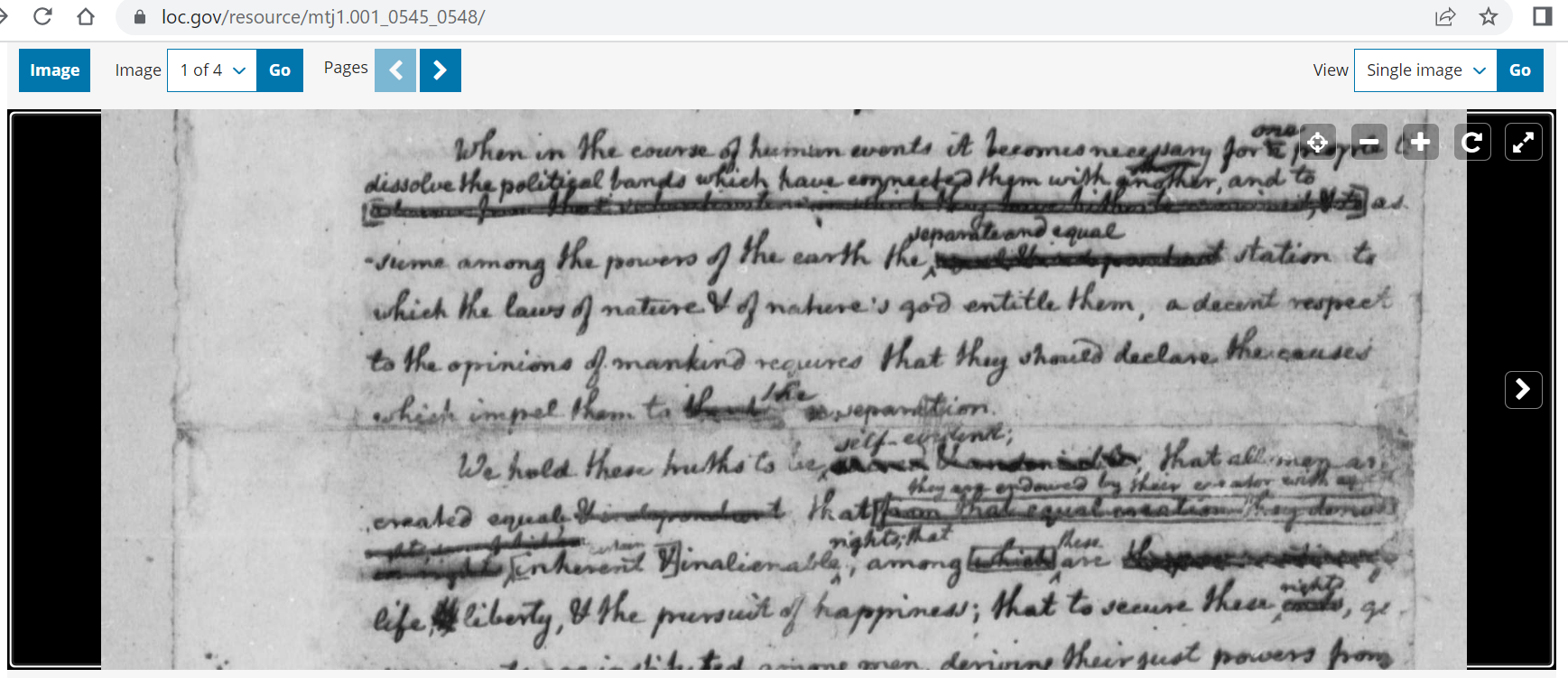
 In fact, of course, there was such a time. In his book
  I appreciate that Sale paid her dues—working her way up through the levels of editing as she moved to various publishing companies. Beginning as a secretary at Knopf, she moved on to Lippincott in 1959 where she was an editorial assistant, then moved up to assistant editor. In 1963, she moved over to Macmillan as associate editor. After living out of the country briefly, she did freelance work upon her return—working for publishing companies, literary agents, and authors. In 1977, she was named senior editor at E. P. Dutton, and then joined Putnam where she was vice president and senior executive editor.
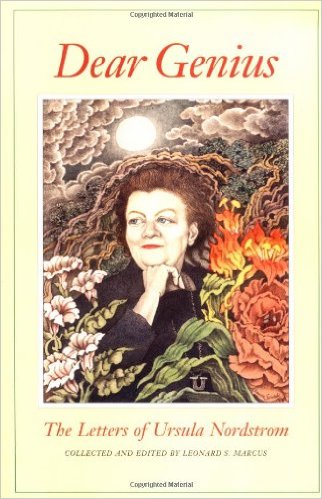 I learned about Ursula Nordstrom by reading a book of her letters:
 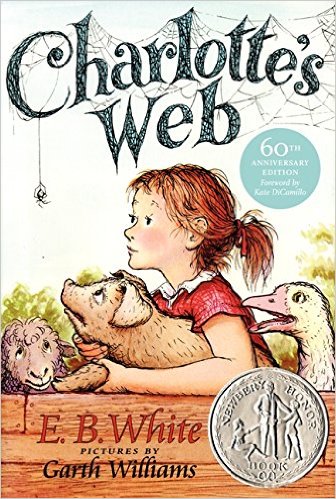 While I read Charlotte’s Web and Stuart Little and Where the Wild Things Are to my children, it never occurred to me that somewhere along the line an author had to get an editor to understand that—yes—a talking spider is a really great idea! A spider! And a kid spying on the neighbors and writing down everything they do—also a great idea!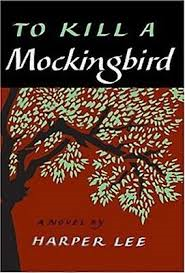




 Linda Taylor: Teacher, Editor, Publishing Professional